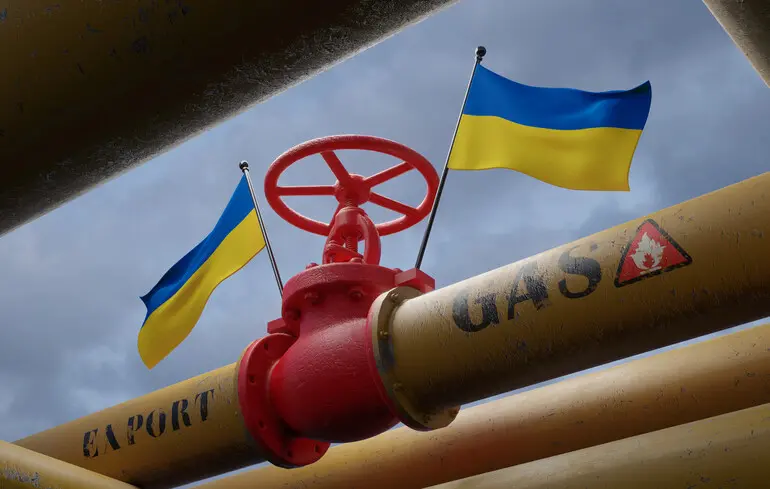
The year 2025 was difficult, but strictly speaking, not unique. The fourth year of the war has already made infrastructure destruction the “new normal,” while populism, a shortage of funds and political micromanagement have always been present in the gas market. The uniqueness of 2025 lies in the fact that Ukraine lived through a full year for the first time without the transit of Russian gas. And the year showed that the gas catastrophe, predicted by pro-Russian voices in Ukraine and some EU lobbyists, did not materialize. Ukraine did not freeze, and Europe did not collapse into an energy meltdown. The Kremlin, however, lost a significant revenue stream and, more importantly, part of its habitual levers of influence, which had been sustained by transit schemes and gas corruption for decades.
The second storyline of 2025 was the constant strikes on production and gas infrastructure. This became a real stress test, required enormous efforts from gas workers and noticeably shifted the country’s gas balance toward increased imports.